
The Department of Basic Education is reportedly drafting guidelines on how teachers and learners communicate on WhatsApp and other messaging platforms. For many schools, the news has prompted an uncomfortable realisation: a large share of their daily communication happens on channels they don’t control.
Terrence Khala, acting director of Communication and Research at the DBE, told IOL that one of the potential areas of risk identified was “direct and largely unregulated digital communication between individual educators and learners”.
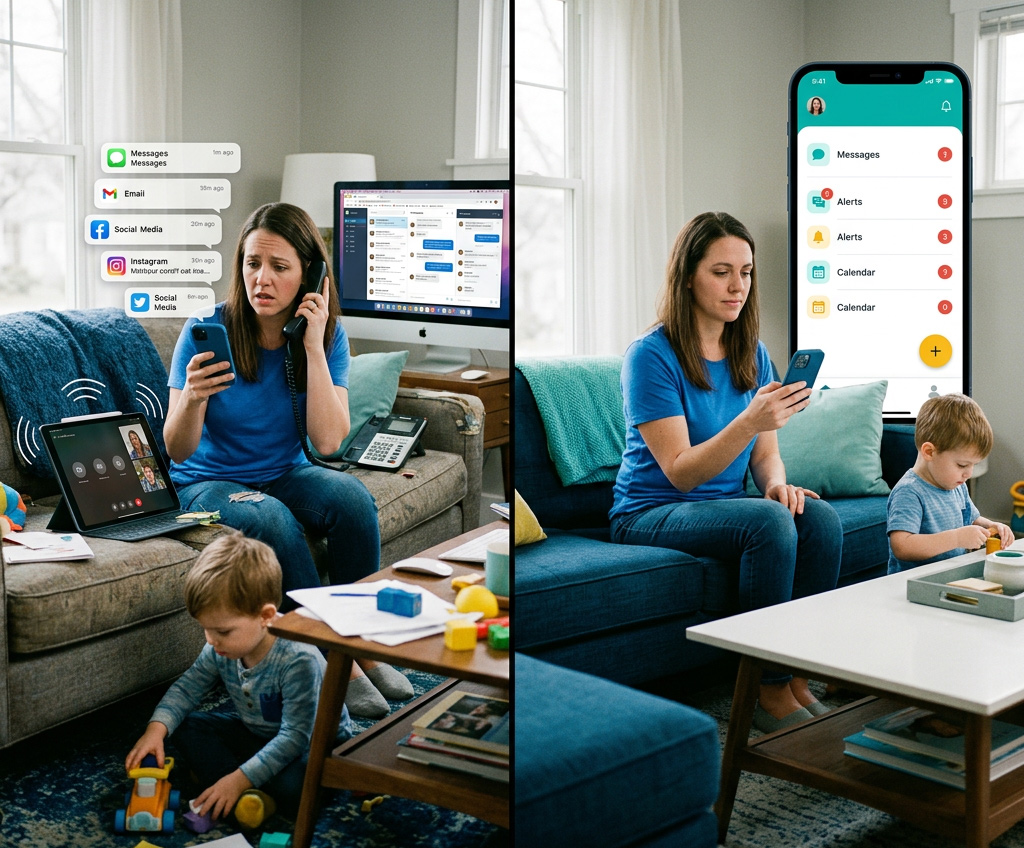
It’s easy to see how this happened. WhatsApp messages are fast, familiar and already on everyone’s phone. A teacher creates a class group to share homework reminders. A coach sets up a chat for match-day logistics. A parent messages a teacher directly because it’s quicker than calling reception. None of this comes from bad intentions. Over time, though, it adds up to something no school would design on purpose: official communication scattered across personal devices, with no oversight, no record and no clear boundaries.
At d6, we’ve been asking a broader question for years: what does good governance for school communication actually look like?
Why communication governance matters
Every school communicates. Not every school can answer how it communicates.
On an ordinary day, the difference doesn’t show. It shows on the days that matter:
- A parent or guardian disputes whether they were told about a change in fees, a disciplinary hearing or an early closure.
- A complaint about a staff member’s message escalates to the SGB or the district.
- A teacher resigns, and years of conversations with families disappear with their phone.
- A learner’s personal information is shared, by accident, in a group chat with thirty other families.
In each case, your school’s communication channel either protects you or leaves you exposed. Good governance means you can answer those moments with confidence, because the answers were built into the system from the start.
Areas of risk identified was “direct and largely unregulated digital communication between individual educators and learners
The six things your communication channel should give you
1. A record
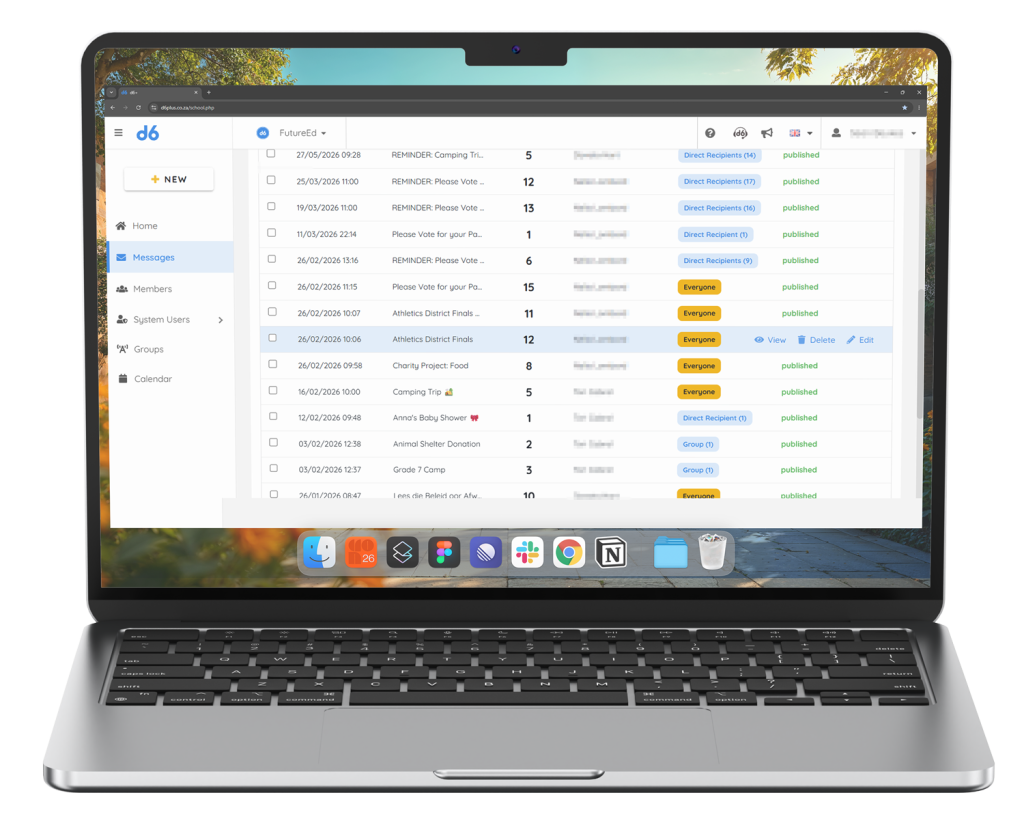
Your school should always know who said what, to whom, and when. A reliable record replaces “I’m sure I sent it” with a clear, time-stamped answer. That protects the school, the staff member and the family.
2. A boundary
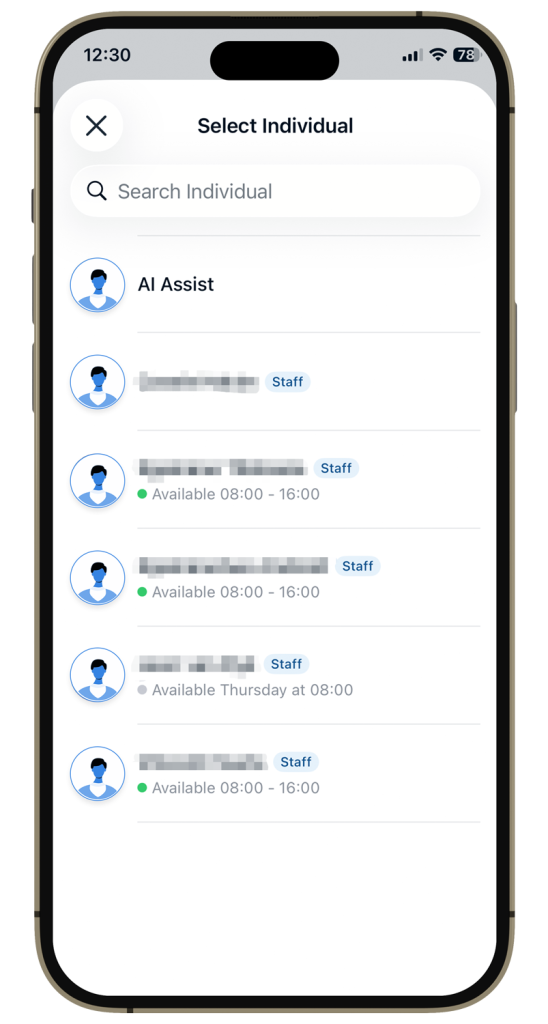
The school should set the hours, the audience and the tone of communication, not whoever is holding the phone. Boundaries keep communication professional and appropriate. They also give educators permission to switch off, which matters for their wellbeing and for keeping good teachers in the profession.
Riaan van den Berg, deputy CEO of FEDSAS, supports this point. He told EWN (Eye Witness News) that after-hours communication should be respected for both learners and educators, who also have families and personal lives, and suggested schools consider a cut-off time such as 4pm or 6pm. He also backed formal school communication systems rather than teachers relying on personal social media accounts, which works well anywhere you argue against personal phones.
3. A Scope
Parents and guardians should see information about their own child, and only their own child. Marks, attendance, behaviour notes and medical information are personal. A well-governed channel makes privacy the default, rather than relying on every staff member to remember to be careful.
4. An audit trail
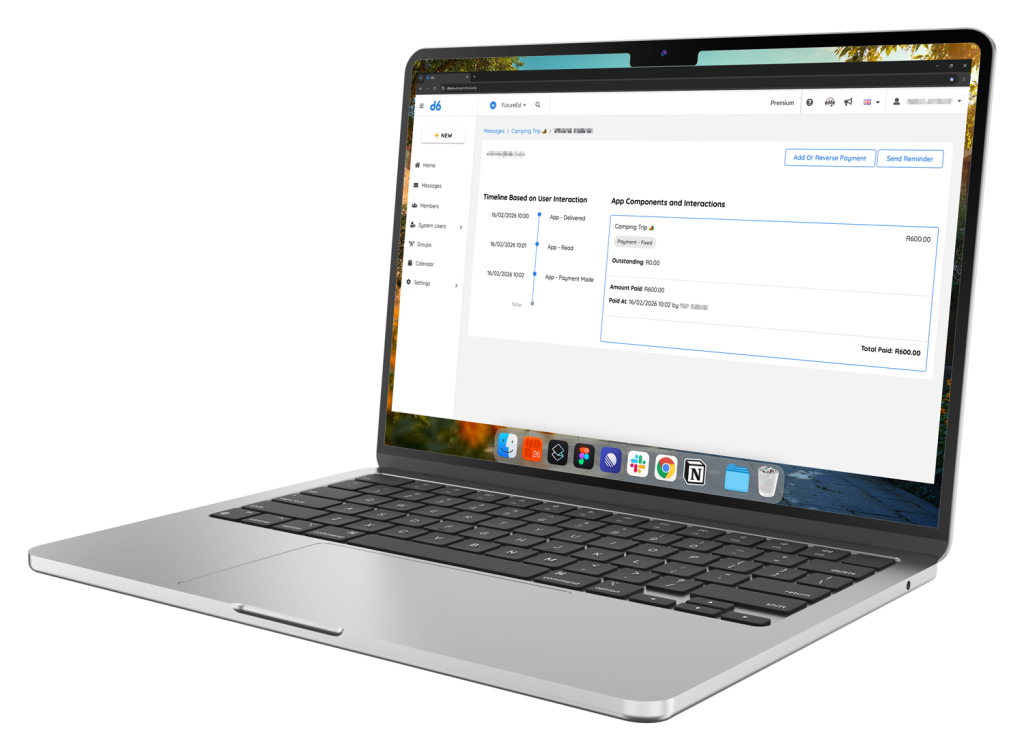
When something goes wrong, your school should be able to show exactly what happened, in sequence and in context. An audit trail doesn’t signal suspicion. It gives your school the ability to handle serious concerns fairly, with facts instead of memories and screenshots.
As the Department’s Likho Bottoman said on Newzroom Afrika, informal platforms come at a cost: “in their informality, there is also a lack of accountability”.
5. Safe, POPIA-aligned access to AI
AI can meaningfully reduce the administrative load on school staff. It can help draft communications, summarise feedback and make sure the right information reaches the right person. But schools hold sensitive information about children, so any use of AI must respect the Protection of Personal Information Act. Used safely, AI gives educators time back. Used carelessly, it creates new risks.

6. A successor
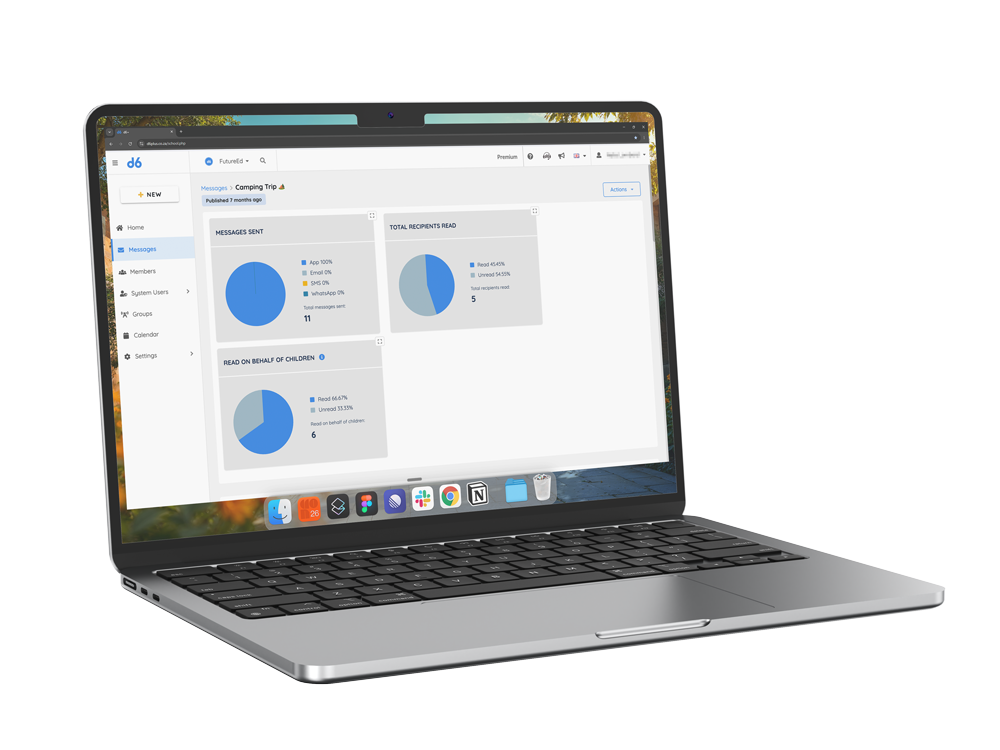
Staff move on. The school should keep the history. When a teacher, administrator, or principal leaves, their replacement should be able to pick up every conversation and commitment where it left off. Institutional knowledge belongs to the school, not to a personal device.
More than compliance
It’s easy to see these six points as a compliance checklist. In reality, they do much more.
They protect your staff.
Clear boundaries and a reliable record shield educators from unreasonable expectations and unfair accusations. Teachers can communicate with confidence, knowing the system supports them.
They build trust with families.
When parents and guardians know where to find official information and know their child’s details are handled with care, they engage more readily with the school.
They support learner safety.
Structured, visible communication reduces the risk of inappropriate private contact between adults and learners. This is the very concern the Department’s guidelines aim to address.
None of these are features. They are the minimum a school needs in order to answer for itself.
Guidelines set the rules. Your channel decides whether you can follow them.
When the Department’s guidance is finalised, schools will have clearer expectations to work towards. That’s a positive step. But guidelines alone can’t create a record that was never kept. They can’t recover messages from a former staff member’s phone, and they can’t restrict what families see in a group chat.
Meeting any standard depends on the tools your school uses every day. If those tools were designed for personal use, even the best policy will be hard to follow.
How your school can get ready
You don’t need to wait for the final guidelines to start. Here are practical steps your leadership team can take now:
Map your channels.
List every way your school communicates with parents, guardians and learners, including informal class and sports groups.
Identify what’s official.
Decide which channels carry official school communication, and make that clear to staff and families.
Test the six points.
For each channel, ask whether it gives you a record, a boundary, a scope, an audit trail, safe AI use and a successor.
Review your policy.
Check that your communication policy covers hours, tone, appropriate contact with learners and data privacy under POPIA.
Support your staff.
Give educators clear guidance and the right tools, so they can communicate professionally without using personal phones.
Talk to your community.
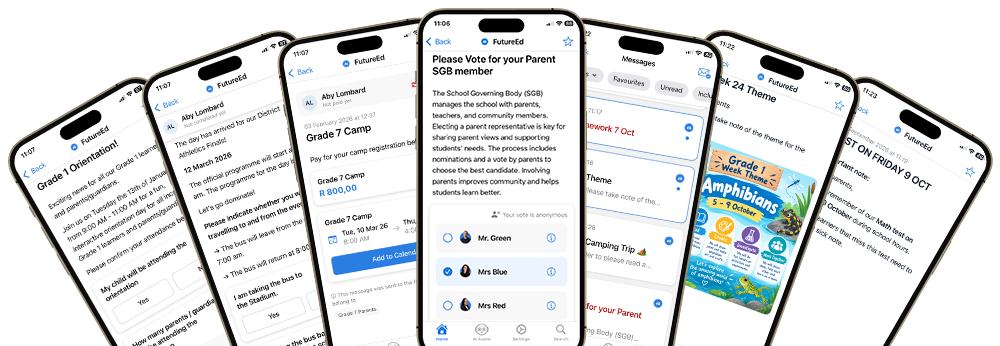
Let parents and guardians know how and where the school will communicate with them, and why.
One question to start with
If your school’s communication still relies on personal phones and private chat groups, ask your leadership team one question:
If you had to, could you show exactly what happened?
If the answer isn’t a confident yes, this is the right moment to act, before a difficult situation forces the conversation.